Discover the Benefits of Training at the Salton Sea for Pilots
- mike05861
- Feb 20
- 2 min read
Training to become a skilled pilot requires the right environment. The Salton Sea offers an exceptional setting that supports learning and growth for pilots at all levels. With its great weather, steady laminar winds, and a community of fellow enthusiasts, it stands out as a top choice for flight training. This post explores why the Salton Sea is an ideal place to sharpen your flying skills and how it can enhance your overall training experience.
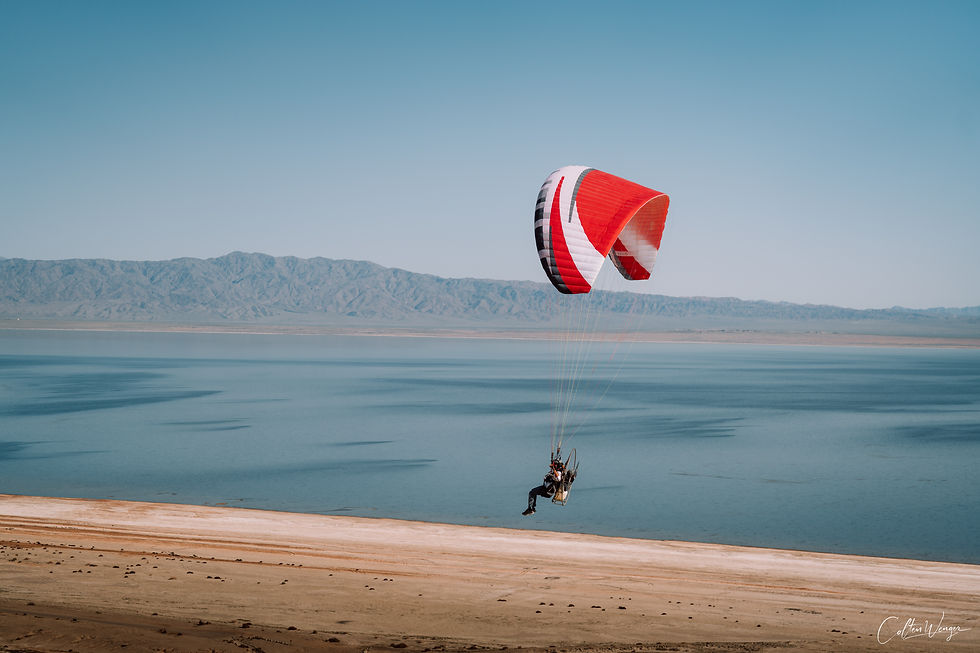
Consistent Weather for Reliable Training
One of the biggest challenges for pilots in training is unpredictable weather. The Salton Sea region offers mostly clear skies and warm temperatures throughout the year. This consistency allows pilots to plan their training sessions without worrying about sudden weather changes that could disrupt practice.
Mild winters mean flying is possible year-round.
Low humidity reduces discomfort during long training sessions.
Minimal rain ensures fewer cancellations and more flight hours.
This reliable weather helps pilots build confidence by flying regularly, which is essential for mastering control and technique.
Laminar Winds That Support Smooth Flying
The Salton Sea is famous for its laminar winds—steady, smooth air currents that flow in a consistent direction. These winds create ideal flying conditions, especially for paragliding, hang gliding, and other light aircraft training.
Laminar winds reduce turbulence, making it easier to maintain control.
They allow pilots to focus on refining skills rather than reacting to unpredictable gusts.
Flying in these conditions helps develop a better feel for the aircraft and air currents.
Training in laminar winds accelerates learning by providing a stable environment where pilots can practice maneuvers safely and effectively.
A Community of Passionate Pilots
Training at the Salton Sea means joining a vibrant community of pilots who share your passion. Being surrounded by others who understand the sport creates a supportive atmosphere that encourages learning and growth.
Experienced pilots often share tips and advice.
Group flights and events provide opportunities to learn from peers.
The community fosters motivation and camaraderie, making training more enjoyable.
This social aspect can boost your progress by exposing you to different flying styles and techniques, as well as offering encouragement during challenging moments.
Access to Diverse Training Terrain
The Salton Sea area offers varied terrain that benefits pilot training. From flat lake surfaces to nearby hills and open spaces, pilots can practice different flight scenarios.
Flat areas are perfect for takeoff and landing practice.
Hills provide opportunities for learning altitude control and ridge soaring.
Open spaces reduce risks during emergency landings.
This variety helps pilots develop a well-rounded skill set, preparing them for diverse flying environments.


Comments